Maintaining proper tyre inflation pressure is the single most important thing you can do to promote safety and tyre tread life.
- Underinflated tyres are the leading cause of tyre failure and may result in severe cracking or component separation. Under-inflated tyres create more drag, requiring the engine to work harder and consume more fuel. For every 1 PSI drop in pressure, fuel economy typically decreases by about 0.2% to 0.3%.
- Tyre over-inflation increases stiffness, which may deteriorate the ride and generate unwanted vibration. Over-inflated tyres can cause a smaller contact patch with the road, leading to loss of traction, longer braking distances, and uneven wear across the tyre.
Why proper tyre air pressure is essential:
- Underinflation increases tread wear on the outer edges and generates excessive heat, which can age tyres faster.
- Fuel economy is reduced as rolling resistance increases — soft tyres make your vehicle work harder. Studies show that keeping tyres at the correct pressure can improve gas mileage by up to 3%.
- Too much air pressure causes the centre tread to carry most of the car’s weight, leading to faster deterioration and uneven wear. Over-inflated tyres can also reduce the tyre's contact with the road, affecting safety and performance.
Properly inflated tyres provide optimal grip, reducing braking distances and improving handling, and ensure the vehicle remains stable, particularly during high-speed driving or emergency maneuvers.
All tyre manufacturers recommend that tyres always be inflated to the vehicle manufacturer’s recommendations. The precise, optimal pressure is set by the manufacturer and found on a placard inside the driver’s door frame, on the fuel cap, or in the owner's manual. Most vehicle manufacturers recommend different tyre pressures for front and rear tyres. Recommended tyre pressure for most passenger vehicles is typically 30 to 35 PSI, but always refer to your specific vehicle's handbook or sticker. When carrying additional load or weight, it is important to consult the vehicle handbook for the correct laden tyre pressure, as it typically needs to be higher than the standard pressure. Tyres naturally lose about 1–2 PSI every month, so regular checks are important.
To maintain proper inflation, check your tyre pressure when they are cold—meaning the tyres have been driven less than 3 km or 2 miles. It is recommended to check your tyre pressure at least once a month and before long journeys to ensure safety and efficiency. Remember to check the pressure in all of your tyres, including the spare, every month; this is one of the easiest ways to maintain car tyre pressure and extend the life of your tyres.
Inspect your tyres for uneven tread wear; if you see wear on the edges or in the centre of your tyre, visit your local tyre garage. Even wear across the tyre extends its lifespan and prevents the need for premature, costly replacements. The minimum tread depth of your tyre is 1.6mm, anything below will deem the tyre unfit for use.
Maintaining the correct tyre pressure can extend the life of your tyres, improve vehicle safety, and enhance fuel efficiency. The pressure listed on the tyre's sidewall is the maximum pressure the tyre can hold, not the recommended everyday driving pressure.
Tyre pressure is commonly measured in three units: pounds per square inch (PSI), bar, and kilopascals (kPa). PSI is an imperial unit, while bar and kPa are metric units. PSI is a pressure-based measurement, representing pounds-force per square inch, and bar is a metric unit used in many countries. One bar is approximately equal to 14.5 PSI, and to convert from bar to PSI, multiply the pressure value by 14.504; conversely, to convert from PSI to kPa, multiply by 6.895.
When measuring tyre pressure, using a digital gauge or tyre pressure gauge provides accurate readings, and many local petrol stations provide these gauges for free or a small fee. To check tyre pressure, remove the valve cap, press the gauge onto the valve stem, and read the measurement. After checking, replace the valve cap to prevent air leakage.
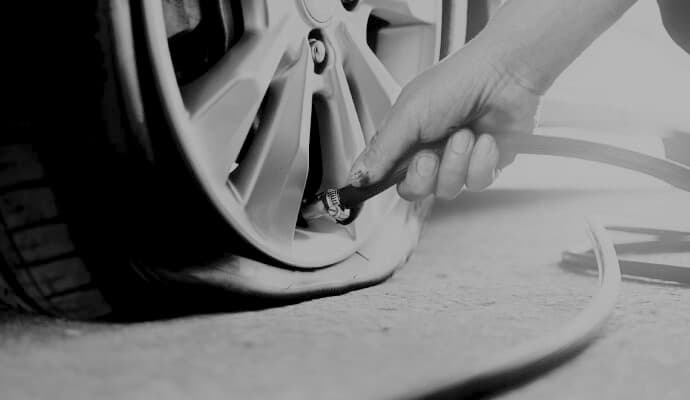
If your tyres are underinflated, you can inflate them using an air compressor or pump, which are often available at petrol stations. Attach the hose to the valve, set the correct PSI, and inflate as needed. When inflating, ensure the vehicle is on a flat surface for accurate pressure levels, and always set pressure according to the manufacturer's recommendation. If you are unsure about the correct pressure or tyre size, contact a local tyre centre or professional for assistance.
Regular checks and maintaining the correct PSI help keep your vehicle's tyres correctly inflated, ensuring maximum contact with the road and safer braking, especially in wet or icy conditions. Pushing the valve core allows you to release air if the pressure is too high.
Maintaining car tyre pressure is essential for safety, fuel efficiency, and tyre longevity.
Introduction to Tyre Pressure
Tyre pressure is a fundamental aspect of vehicle maintenance that directly impacts your safety and driving experience. Maintaining the correct tyre pressure ensures your vehicle performs at its best, offering optimal fuel efficiency and reliable braking performance. Tyre pressure is measured in pounds per square inch (PSI) or bar, and the recommended pressure for your tyres is set by the vehicle manufacturer to match your specific vehicle’s weight and design. If your tyres are underinflated, you’ll experience increased rolling resistance, which means your car has to work harder, leading to reduced fuel efficiency and uneven wear across the tread. It’s worth noting that incorrect tyre pressure—whether too high or too low—can compromise your safety, shorten the life of your tyres, and even increase the risk of accidents. Regularly checking and maintaining the correct pressure, as measured in PSI or bar, is essential for every driver.
Finding the Recommended Tyre Pressure
Finding the recommended tyre pressure for your car is straightforward and crucial for maintaining tyre health. Start by checking your vehicle handbook, which contains detailed information from the manufacturer. Alternatively, look for a placard on the driver’s door frame, inside the glove box, or near the fuel cap—these spots often display the recommended pressure in both pounds per square inch (PSI) and bar. If you’re unsure, many car manufacturers provide online tools where you can enter your registration number to find the correct pressure for your tyres. Always use a reliable tyre pressure gauge to measure the pressure, and remember to check when the tyres are cold for the most accurate reading. Using the correct unit—whether PSI or bar—ensures you set the pressure accurately, helping to extend the life of your tyres and maintain safe driving conditions.
Tyre Pressure Monitoring Systems
Modern vehicles are often equipped with Tyre Pressure Monitoring Systems (TPMS), which are designed to keep you informed about your tyre pressure in real time. These systems use sensors to monitor the pressure and temperature inside each tyre, alerting the driver if the pressure drops below the recommended level. By providing immediate feedback, TPMS helps you maintain the correct pressure, which can improve safety, reduce fuel consumption, and extend the life of your tyres. Familiarizing yourself with your vehicle’s TPMS—how it works and what the warning lights mean—ensures you can respond quickly to any issues and keep your tyres in top condition.
Common Tyre Pressure Mistakes
Many drivers overlook the importance of checking tyre pressure regularly, which can lead to both underinflated and overinflated tyres. Underinflated tyres are a common cause of reduced fuel efficiency, uneven wear, and increased risk of accidents. On the other hand, overinflated tyres can result in reduced traction, uneven wear, and a higher chance of punctures. Another frequent mistake is using an inaccurate or low-quality tyre pressure gauge, which can give misleading readings. To avoid these pitfalls, use a reliable pressure gauge, check your tyre pressure regularly, and always follow the manufacturer’s recommendations for your specific vehicle.
Vehicle Safety and Tyre Pressure
Maintaining the correct tyre pressure is vital for your vehicle’s safety. Underinflated tyres can compromise braking performance, reduce stability, and increase the risk of accidents. Overinflated tyres may lead to reduced traction and a greater likelihood of punctures, especially on rough surfaces. To ensure your safety and the longevity of your tyres, make it a habit to check tyre pressure regularly and adjust it as needed according to the manufacturer’s guidelines. Being aware of the risks associated with incorrect tyre pressure and taking proactive steps to maintain the right pressure will help you drive with confidence and peace of mind.